
Wine tasting trip in France: How to plan the perfect experience?
Published on September 14, 2026
Reading time: 10min40sec
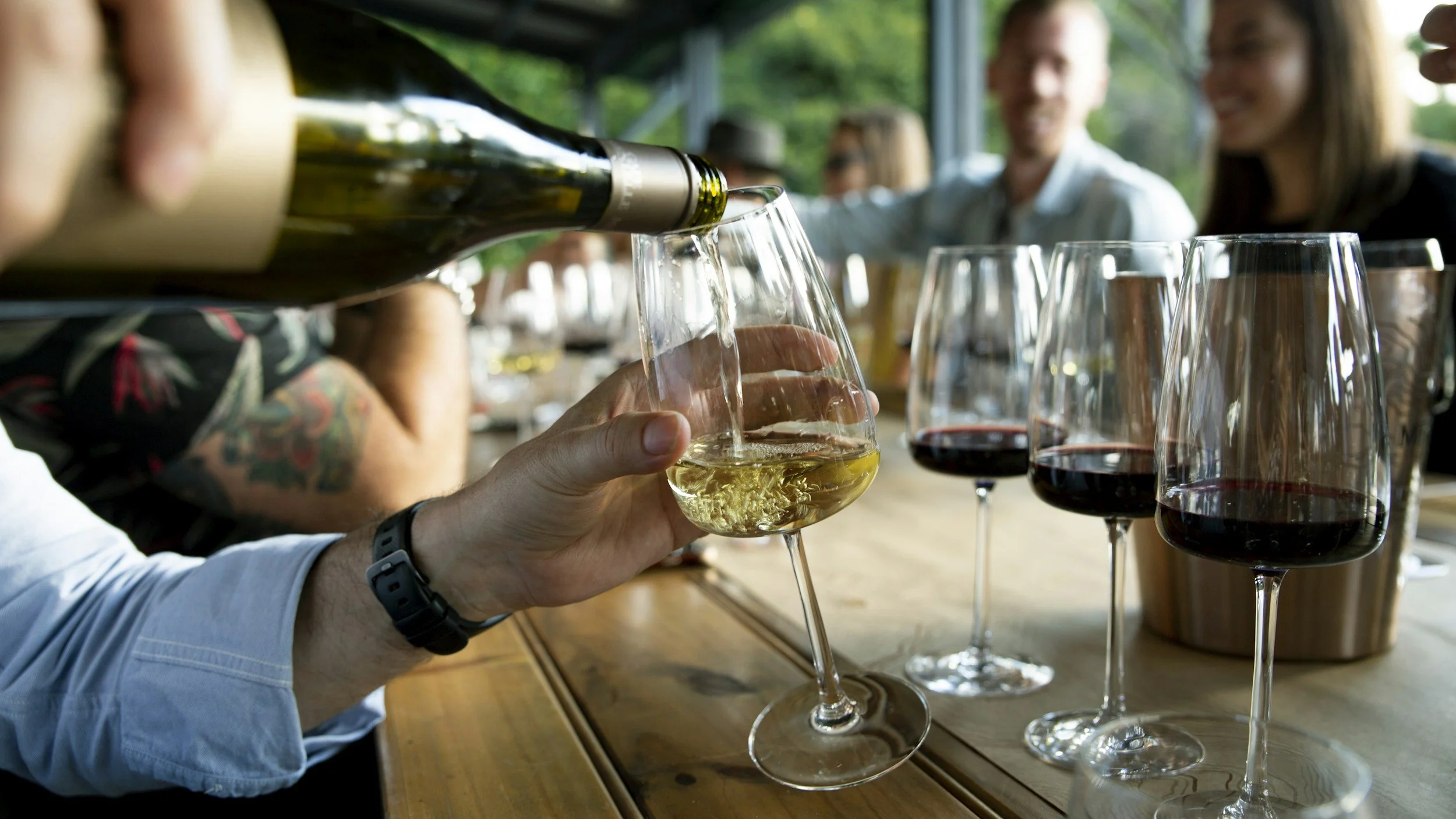
A wine tasting trip in France is as much about discovering a region as it is about the wines themselves. Between vineyard landscapes, encounters with winemakers, historic cellars and tastings at the estates, each stop offers a different glimpse into France’s long winemaking tradition.
But with hundreds of appellations and thousands of wineries across the country, planning your first wine trip can feel overwhelming. Should you book tastings in advance? Visit independently or join a wine tour? How many wineries can you realistically visit in one day? And, most importantly, which French wine region should you choose?
From the vineyards of Burgundy to the prestigious estates of Bordeaux and the diverse wines of the Loire Valley, this guide covers everything you need to know to plan a memorable wine tasting trip in France.
Summary
What is a wine tasting trip in France?
A wine tasting trip in France is a journey through one or several wine regions, combining visits to vineyards and wineries with opportunities to taste the wines where they are produced. Depending on the estate, a visit may include a walk through the vines, an introduction to the winemaking process, a tour of the cellars and, of course, a guided tasting of several wines. What makes the experience particularly interesting in France is the importance of terroir and appellations. Wine is closely connected to its place of origin, and travelling through a wine region allows you to understand this relationship first-hand. In Burgundy, for example, visiting different villages and estates reveals the diversity of wines produced primarily from Pinot Noir and Chardonnay, while Bordeaux and the Loire Valley offer their own grape varieties, landscapes and winemaking traditions.
Can you plan a wine tasting trip in France on your own?
Yes, and travelling independently can be one of the most enjoyable ways to explore France’s wine regions. It gives you the freedom to choose the wineries you are genuinely interested in, spend more time in a particular village or vineyard and build the rest of the day around restaurants, markets and other places you would like to discover. It does, however, require some planning: many French wineries are working estates rather than tourist attractions, and visits are often organised at specific times and by appointment.
How to organize your own wine trip?
To build your itinerary, start by choosing a wine region and then a specific area within it. Distances may look short on a map, but a winery visit can easily take an hour to an hour and a half. Plan for no more than two or three tastings per day, ideally one in the morning and one or two in the afternoon. This leaves plenty of time for lunch, exploring the villages and enjoying the scenery without constantly watching the clock. In Burgundy, for example, the Route des Grands Crus makes it easy to plan a day around several villages and wineries located close to one another.
Once you have mapped out your route, book your tastings directly with the wineries, particularly if you would like to visit smaller estates or meet the winemakers. Check the duration of the visit, the languages available, the number of wines included in the tasting and the price per person. During harvest season, generally between late August and October depending on the region and vintage, some wineries may also reduce or temporarily suspend visits.
It is also important to think about transportation when planning your itinerary. Outside the main towns, a car is often the easiest way to travel between wineries. If you are planning several tastings, designate a driver who will not drink or arrange a private driver for the day. In some wine regions, cycling is also a great alternative: when distances allow, you can ride between estates through the vineyards and experience the landscape along the way. Just remember to check distances and elevation beforehand and, of course, keep tastings moderate. Finally, choosing a town at the heart of a wine region as your base can make the entire trip easier to organize. Beaune, for example, lies at the heart of the Burgundy vineyards, with numerous wineries and wine villages within easy reach by car or bicycle.
What to expect when visiting a winery?
A winery visit generally begins with an introduction to the estate and its vineyards, followed by a look at where the wines are produced and aged. Depending on the winery and the season, the visit may take you through the vineyards, the winery and the cellars before ending with a tasting. It is an opportunity to understand the journey from grape to bottle, as well as what makes each estate and its wines distinctive.
Above all, a winery visit allows you to go beyond simply tasting the wine. The winemaker or your host will usually introduce you to the history of the estate, its vineyard plots and winemaking methods, before guiding you through several wines, sometimes from different appellations or vintages. You do not need to be a wine expert: asking questions, comparing wines and discussing what you taste are all part of the experience. Most importantly, allow enough time. Discovering a winery is far more rewarding when it feels like an encounter rather than simply another stop on your itinerary.
What are the best regions for a wine tasting trip in France?
-
Burgundy is an essential destination for understanding the importance of terroir in French wine. Pinot Noir and Chardonnay dominate, yet the character of the wines can change remarkably from one vineyard to another. Around Beaune, renowned villages such as Pommard, Volnay and Meursault are only a few kilometres apart, making it easy to combine several winery visits with time in the vineyards and villages. This concentration also makes Beaune a natural choice when deciding where to stay in Burgundy, particularly for a wine-focused trip. Many estates remain family-run, giving tastings a particularly personal dimension.
-
In Bordeaux, wine tasting is closely associated with the region’s prestigious châteaux and the art of blending, particularly Cabernet Sauvignon, Merlot and Cabernet Franc. With vineyards spread across famous appellations such as Saint-Émilion, Margaux, Pauillac and Pomerol, it is best to focus on one area each day. Visits typically combine the vineyards, winery and barrel cellars before finishing with a tasting of the estate’s wines.
-
The Loire Valley stands out for the diversity of its wines. Sauvignon Blanc in Sancerre, Chenin Blanc in Vouvray, Cabernet Franc in Chinon and a wide range of sparkling, white, red and rosé wines make it particularly interesting if you enjoy discovering different styles. Wine tastings can also be combined with visits to historic châteaux, villages and the landscapes along the Loire, making it an excellent destination for a broader food and wine trip through France.
Should you book a wine tour or go on your own?
Exploring independently gives you more freedom to choose your wineries, adjust your itinerary and spend as much time as you like in each place. It is a great option if you enjoy planning and want to discover a wine region at your own pace.
A guided wine tour offers greater simplicity: visits and transportation are organized for you, while a local guide provides insight into the vineyards, appellations and wines. You can also combine both approaches, with a guided tour followed by a day of independent exploration.
Tips for a successful wine tasting trip in France
A few details can make a real difference when planning a wine tasting trip in France, particularly when it comes to the season, reservations and the way you organize your tastings.
-
Spring and early summer are ideal for seeing the vineyards come back to life, while September and October bring the excitement of the harvest and beautiful autumn colours. Harvest dates vary every year, however, and some wineries have limited availability during this busy period. Winter is quieter and can offer a more intimate experience, although opening days may be more limited.
-
Each winery offers a different perspective on a wine region. Renowned estates can provide an insight into its history, prestigious appellations and iconic wines, while smaller, family-run wineries often offer another opportunity to discover local winemaking traditions and meet the people behind the wines. Including both in your itinerary is a great way to experience the diversity of a French wine region and understand the different approaches to producing wine.
-
Rather than trying to taste as many different wines as possible, compare the same appellation from several producers. It is one of the easiest ways to understand how winemaking choices, vineyard location and vintage influence what ends up in your glass. This is particularly interesting in Burgundy, where neighbouring vineyard plots can produce noticeably different wines.
-
A wine region is best experienced beyond its tasting rooms. Keep part of the day free for a long lunch, a local market, a walk through the vineyards or simply a stop in a village you had not planned to visit. Two well-chosen tastings and time to explore the surrounding wine country can often make for a better day than four consecutive winery appointments.
Stay in Beaune for a wine tasting experience
Wine tasting trip France: Frequently asked questions
-
Yes. Many wineries in France can be visited independently, without joining an organized wine tour. However, visits are often by appointment, particularly at smaller estates, so booking ahead is recommended. You will also need to arrange your own transportation between wineries.
-
France has several outstanding wine regions, including Burgundy, Bordeaux, Champagne and the Loire Valley, and each offers a different experience. Burgundy is particularly interesting for discovering Pinot Noir and Chardonnay, exploring prestigious appellations and understanding the importance of terroir, while Bordeaux is known for its blends and grand estates, Champagne for sparkling wines and the Loire Valley for its remarkable diversity.
-
Three to four days is a good amount of time to explore one French wine region without rushing. This gives you time to visit several wineries, discover different appellations and meet winemakers, while still leaving room for long lunches, vineyard walks, local villages and other experiences along the way.
If you want to discover several wine regions in the same trip, plan at least a week. France’s main wine destinations are spread across the country, so travel time between Burgundy, Bordeaux, Champagne or the Loire Valley should be considered when building your itinerary.
-
It is highly recommended, especially for private tastings, smaller wineries, weekends and busy travel periods. Some estates welcome walk-in visitors, but many French wineries receive guests at specific times or by appointment only. Booking ahead also makes it easier to build a realistic itinerary and avoid unnecessary travel between visits.